Diving into the world of Discovery Car Price Forecast 2026: What Germany Should Expect, this introduction sets the stage for an insightful exploration of the automotive industry. It delves into current trends, factors influencing prices, and the importance of forecasting for both consumers and manufacturers.
Overview of Discovery Car Price Forecast 2026
In the automotive industry, several current trends are influencing the pricing of cars. These trends include advancements in electric and autonomous vehicles, changes in consumer preferences towards sustainability, and the impact of global supply chain disruptions.
The factors that influence car prices in the market are varied and complex. These include the cost of raw materials, labor, technology, fuel prices, government regulations, and competitive pricing strategies adopted by manufacturers. Fluctuations in these factors can directly impact the pricing of cars in the market.
Forecasting future car prices is crucial for both consumers and manufacturers. For consumers, it helps in making informed decisions about purchasing a car by anticipating potential price changes. Manufacturers can use price forecasts to adjust their production and pricing strategies to stay competitive in the market and maximize profitability.
Factors Influencing Car Prices
- Cost of raw materials such as steel, aluminum, and plastic.
- Labor costs and availability of skilled workforce.
- Technological advancements and integration of features in vehicles.
- Fluctuations in fuel prices affecting the demand for fuel-efficient vehicles.
- Government regulations on emissions, safety standards, and tariffs.
Importance of Car Price Forecasting
- Helps consumers plan their purchase decisions based on expected price changes.
- Enables manufacturers to adjust production and pricing strategies in response to market trends.
- Supports financial planning and budgeting for both consumers and manufacturers.
- Enhances transparency and trust between buyers and sellers in the automotive market.
Market Analysis
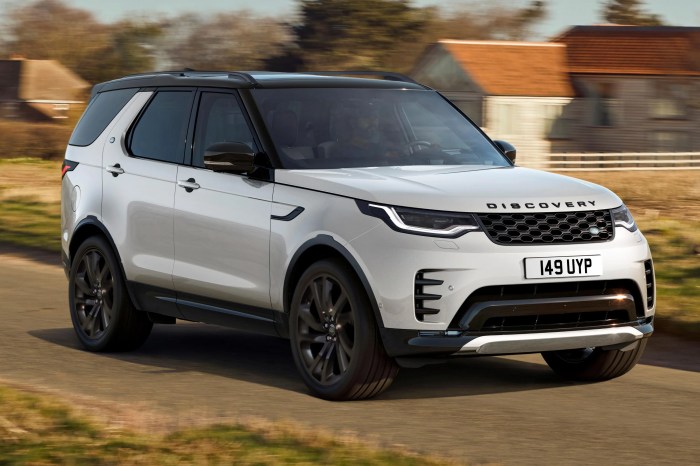
Germany's automotive sector plays a significant role in the country's economy, with a strong focus on innovation, quality, and sustainability. The market size is substantial, with key players such as Volkswagen, BMW, Mercedes-Benz, and Audi leading the way in production and sales.
Car Pricing Strategies in Germany
In comparison to other European countries, Germany's car pricing strategies are often characterized by a focus on high-quality engineering and advanced technology. While prices may be higher than in some neighboring countries, German automakers justify these costs by emphasizing the superior performance and craftsmanship of their vehicles.
Impact of Economic Factors on Car Prices
Economic factors such as inflation, interest rates, and consumer confidence have a direct impact on car prices in Germany. For example, during times of economic uncertainty, consumers may be more hesitant to make large purchases, leading to a decrease in demand and potentially lower prices.
On the other hand, a strong economy can drive up demand for vehicles, influencing prices to rise accordingly.
Technology Trends in the Automotive Industry
The automotive industry is continuously evolving with advancements in technology playing a crucial role in shaping the future of car prices. From electric vehicles to autonomous driving, these technological trends have a significant impact on the pricing of cars
Electric Vehicles and Traditional Cars
Electric vehicles have emerged as a disruptive force in the automotive industry, leading to a shift away from traditional gasoline-powered cars. As the demand for electric vehicles continues to rise, the pricing of traditional cars may be affected. The increased competition from electric vehicles could potentially drive down the prices of traditional cars as automakers strive to remain competitive in the market.
Autonomous Driving
Advancements in autonomous driving technology are revolutionizing the automotive industry by offering the promise of safer and more efficient vehicles. The integration of autonomous features in cars can lead to an increase in prices due to the additional technology and sensors required.
However, as this technology becomes more widespread and mainstream, the costs associated with autonomous driving features may decrease, ultimately impacting car prices in the future.
Consumer Preferences and Buying Behavior
In Germany, consumer preferences and buying behavior play a significant role in shaping the automotive market. Factors such as sustainability, brand reputation, and technological advancements greatly influence the decisions of car buyers. Let's delve deeper into these aspects.
Shift towards Sustainable and Eco-Friendly Vehicles
- German consumers are increasingly prioritizing sustainability and environmental consciousness when purchasing cars.
- The demand for electric vehicles (EVs) and hybrid cars is on the rise due to their lower carbon footprint and reduced reliance on fossil fuels.
- Government incentives and regulations promoting eco-friendly vehicles have further accelerated this shift in consumer preferences.
Influence of Brand Reputation on Car Pricing Expectations
- German consumers place a high value on the reputation of automotive brands when making purchasing decisions.
- Established brands known for quality, reliability, and innovation often command higher pricing expectations from consumers.
- A strong brand presence can influence consumer perceptions of a car's value, leading to willingness to pay premium prices.
Regulatory Environment and Policy Implications
In Germany, government regulations play a significant role in determining car prices. These regulations cover various aspects such as safety standards, emissions, and import/export duties.
Impact of Emission Standards
Emission standards set by the government have a direct impact on the pricing of cars. Manufacturers need to invest in technology to meet these standards, which can increase production costs and ultimately affect the final price of the vehicle. Cars that are more environmentally friendly and comply with strict emission regulations may come at a higher price due to the advanced technology involved.
Potential Policy Changes
- Introduction of stricter emission regulations: If the government decides to implement even stricter emission standards in the future, manufacturers would need to invest more in research and development to comply. This could lead to higher prices for cars.
- Incentives for electric vehicles: With a growing focus on sustainability, the government may introduce more incentives for electric vehicles. This could potentially drive down the prices of electric cars as demand increases and technology becomes more affordable.
- Tariffs and trade agreements: Changes in tariffs or trade agreements can also influence car prices. Import/export duties imposed by the government can impact the cost of vehicles, especially for those manufactured outside of Germany.
Last Point
In conclusion, the discussion on Discovery Car Price Forecast 2026: What Germany Should Expect sheds light on the intricate dynamics of the automotive sector. It highlights the interplay of market forces, technological advancements, consumer preferences, and regulatory policies in shaping the future car prices.
Helpful Answers
What are the key factors influencing car prices in the market?
The key factors include supply and demand dynamics, production costs, technological advancements, and regulatory policies.
How do government regulations in Germany impact car prices?
Government regulations in Germany can influence car prices through emission standards, taxes, incentives for electric vehicles, and safety requirements.
What role does brand reputation play in shaping car pricing expectations?
Brand reputation can significantly impact car pricing expectations as consumers often associate quality, reliability, and prestige with certain brands.